
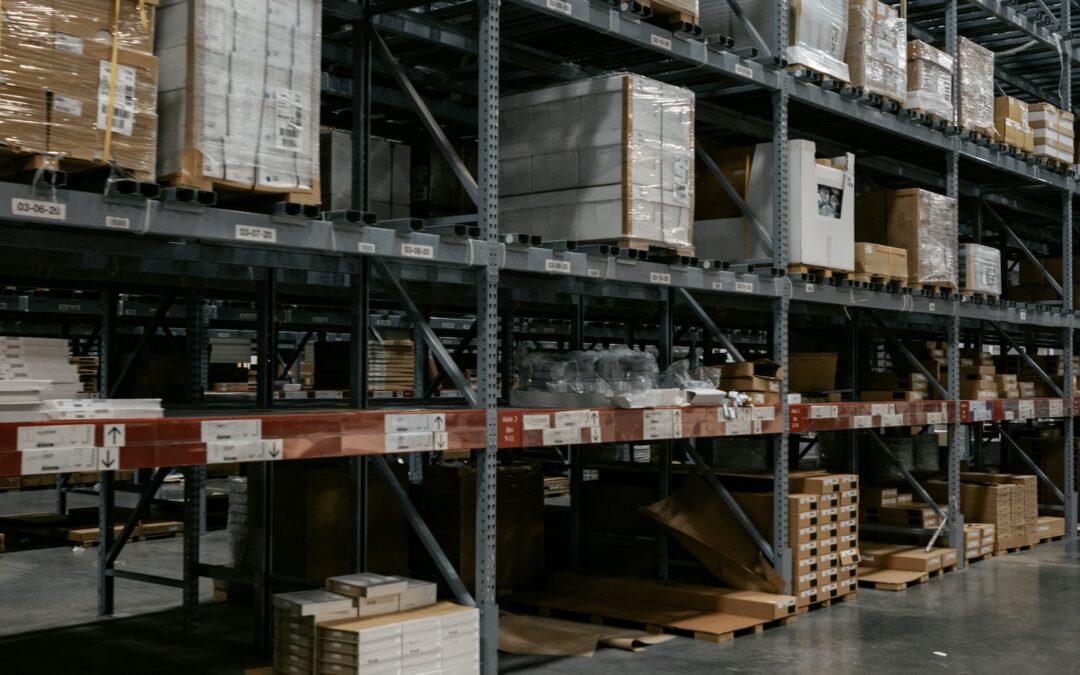
How long does warehouse pallet racking last?
If your warehouse relies on heavy-duty storage, you’ve likely asked yourself: how long is my pallet racking actually supposed to last?
Pallet racking is a significant capital investment. You want to ensure you’re getting maximum longevity out of your work without ever compromising on team safety. The good news is that industrial racking doesn’t come with a strict expiration date – but its true lifespan depends entirely on how it is treated.
The average lifespan of pallet racking
Under ideal conditions, a high-quality, professionally installed pallet racking system can last anywhere from 10 to 25+ years.
However, “ideal conditions” are rare in a fast-paced, high-traffic distribution center or warehouse. Because racking is a structural element subjected to constant mechanical stress, its operational life is determined by material quality, environment, and your proactive maintenance schedule rather than age alone.
What factors impact racking longevity?
Here is exactly what accelerates or slows down the wear and tear on warehouse storage systems:
· Weight Distribution & Overloading: Exceeding the original Safe Working Load (SWL) limits puts immense stress on beams and uprights. Even temporary overloading can cause permanent, invisible structural fatigue.
· Forklift Impacts: Constant traffic from reach trucks and forklifts means accidental bumps are inevitable. Even minor, low-speed impacts into uprights compromise the structural integrity of the entire bay over time.
· Environmental Elements: High humidity, cold storage environments, or exposure to corrosive materials can trigger rust and oxidation, rapidly weakening the materials.
· Installation & Configuration Quality: Racking must be perfectly leveled and anchored to the slab according to strict engineering standards. DIY adjustments or uncertified reconfigurations drastically shorten a system’s safe lifespan.
Red Flags: Signs It’s Time to Repair or Replace Your Racking
To keep your warehouse compliant and safe, structural shifts must be caught early. Walk your aisles regularly and look for these critical warning signs:
· Visible Deflection (Bending): Beams that show a permanent sag, even when unloaded, have been compromised and require immediate attention.
· Damaged Uprights or Frame Bracing: Creased, twisted, or dented steel columns (especially in the bottom 1000mm where forklift impacts occur most frequently).
· Rust and Corrosion: Surface scratches are normal, but deep flaking rust or bubbles under the paint indicate structural weakness.
· Out of Plumb (Leaning): Any noticeable lean or tilt in the racking structure indicates foundation shifting, loose floor anchors, or severe overloading.
· Missing Safety Pins: Ensure beam-to-upright locking pins are present across the entire system to prevent accidental beam dislodgement during loading.
How to Extend the Safe Lifespan of Your Storage Systems
Maximizing your return on investment down to the last decade comes down to smart warehouse management practices:
1. Protect the Impact Zones: Install heavy-duty steel column protectors and end-of-aisle barriers to shield your frames from forklift wheels.
2. Display Clear Load Signage: Ensure every aisle features highly visible weight limit plaques so operators know exactly what weight each pallet position can safely hold.
3. Train Your Team: Educate forklift operators on proper loading and unloading techniques, such as lifting pallets completely clear before pulling out, and foster a “no-blame” reporting culture for accidental bumps.
4. Schedule Independent Safety Audits: Routine internal checks are vital, but annual comprehensive safety inspections by independent industry professionals ensure compliance and catch hidden stress points before they become hazards.
Is your warehouse racking due for a health check?
Don’t guess when it comes to structural safety and compliance. Whether you are expanding your operations, need a certified safety inspection, or want to reconfigure your layout for better efficiency, our expert team at Rack n Stack is here to help. Get in touch here!